Shopping the sales? See Black Friday recovery deals.
Foam rollers compared
| Roller | Surface | Length | Budget | Best for |
|---|
| TriggerPoint GRID 1.0 | Multi-density grid | 13" | Under $50 | Most people, beginners |
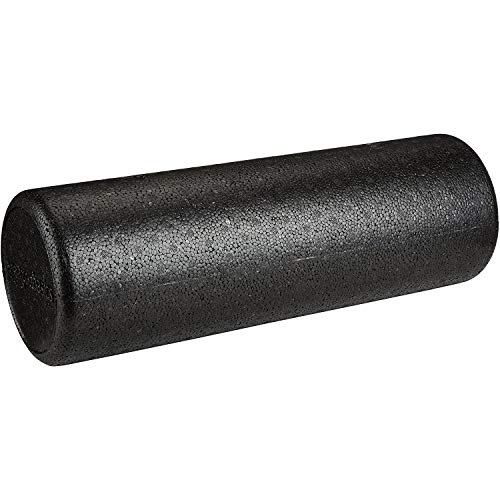
| Amazon Basics 18" | Smooth | 18" | Under $25 | Budget, first roller |
| RumbleRoller Original | Firm bumps | Several sizes | Under $100 | Deep knots, experienced |
| Therabody Wave Roller | Textured, vibrating | 12" | Under $250 | Daily rollers, premium |
| FITINDEX Vibrating | Textured, vibrating | 13" | Under $100 | Vibration on a budget |
| Amazon Basics 24" | Smooth | 24" | Under $25 | Upper back, along the spine |
Prices checked on Amazon in 2026 and change often. Beginner? Start smooth and firm; textured and vibrating rollers are upgrades, not requirements. More on that in smooth vs textured foam roller and vibrating vs standard.
How we chose
We have not tested these rollers in person. These picks come from comparing
foam density and core construction, length and surface texture, the research on self-myofascial
release, verified-owner reviews, and long-run durability reputation. We call out which roller
suits beginners versus advanced users, and we never claim hands-on lab results we did not run.
What the evidence actually says
Self-myofascial release with a foam roller has decent evidence for acute
improvements in range of motion and reduced perceived soreness (DOMS),
importantly without the temporary strength loss that static stretching can cause. What it does
not do: physically break up scar tissue, lengthen muscle permanently, or "release fascia" in the
literal sense the marketing implies. Used as a warm-up and recovery tool, it is one of the best
value buys in the whole recovery category. Compare it head-to-head with percussion in our
foam rolling vs. massage gun guide.
How to pick
- Density & core: a firm, hollow-core roller holds its shape and pressure; cheap soft foam compresses and stops working.
- Surface: smooth for even pressure and beginners; textured (ridges/bumps) for targeted trigger-point work.
- Length: 13" is portable and great for limbs; 24"+ lets you lie along your spine for thoracic mobility.
- Vibration: a buzz can help tight tissue relax faster, but it is a comfort upgrade, not a requirement.
How to use a foam roller
Roll slowly, about one inch per second, spending 30 to 60 seconds per muscle group and pausing
on tender spots without grinding. Two to three minutes per area is plenty. Roll before training
to open up range of motion and after to ease soreness. Avoid rolling directly over joints, bones,
or the low back.
Not medical advice. This is researched general information, not professional or
medical guidance. Stop if rolling causes sharp or radiating pain, avoid rolling over injuries or
the lower spine, and check with a clinician if you have a recent injury or a circulatory condition.
Use at your own risk.
Frequently asked questions
What is the best foam roller?
For most people, the TriggerPoint GRID 1.0 (under $50): a rigid hollow core with multi-density foam that holds its shape for years. On a budget, a smooth high-density Amazon Basics roller (under $25) does most of the job. For deep knots, the RumbleRoller; for vibration, the Therabody Wave Roller or the cheaper FITINDEX.
What is the best foam roller for your back?
For the upper back, a long smooth roller (24 to 36 inches) you can lie along or across, such as the Amazon Basics 24-inch. Do not roll the lower back directly; roll the glutes and hips instead and use a softer roller or a massage ball near the spine.
Are foam rollers actually worth it?
Yes, for what they actually do. Foam rolling has good evidence for short-term gains in range of motion and reduced perceived soreness, with no loss of strength or performance afterward. It does not break up scar tissue or permanently lengthen muscle, but as a cheap, effective mobility and warm-up tool it earns its place.
What kind of foam roller should a beginner buy?
Start with a smooth or lightly textured high-density roller in the 13 to 18 inch range. A multi-density roller like the TriggerPoint GRID is firm enough to be effective but not punishing. Save aggressive textured rollers and vibrating models for once you know you will use it.
Smooth, textured, or vibrating foam roller?
Smooth high-density rollers give even pressure and suit beginners and general mobility. Textured rollers (with ridges or bumps) target knots and trigger points more aggressively. Vibrating rollers add a buzz that can help tight tissue relax faster, at a higher price. For most people, a good smooth or multi-density roller is plenty.
How long should you foam roll?
Spend about 30 to 60 seconds per muscle group, rolling slowly and pausing on tender spots. Two to three minutes per area total is plenty. Roll before training as part of a warm-up to improve range of motion, and after as part of a cooldown to ease soreness.
Related guides