Best Recovery Tools
Five categories cover almost all real recovery gear. Here's who each one is for, what it credibly does, and where to spend versus save — no kitchen-sink shopping list.

Five categories cover almost all real recovery gear: cold plunge, sauna, red light, massage gun, and sleep and nutrition basics. The best tool depends on your goal, not the price tag. Most people only need one or two, and the cheapest high-impact upgrade is usually fixing sleep before buying any device.
How to think about recovery gear
Recovery tools fall into two honest buckets: things that help you feel and move better now (massage guns, cold for soreness, heat for stiffness) and things that nudge a longer-term adaptation (sauna heat-acclimation, red light recovery markers). The mistake is buying all five at once. Pick the one that matches your goal, get the protocol right, and add from there. One critical caveat up front: cold immersion right after lifting can blunt strength gains (Roberts 2015), so strength athletes should time cold carefully rather than plunge after every session. Nothing here is medical advice.
Affiliate disclosure: we may earn a commission if you buy through links on this page, at no cost to you — never at the cost of an honest rec. How we make money.
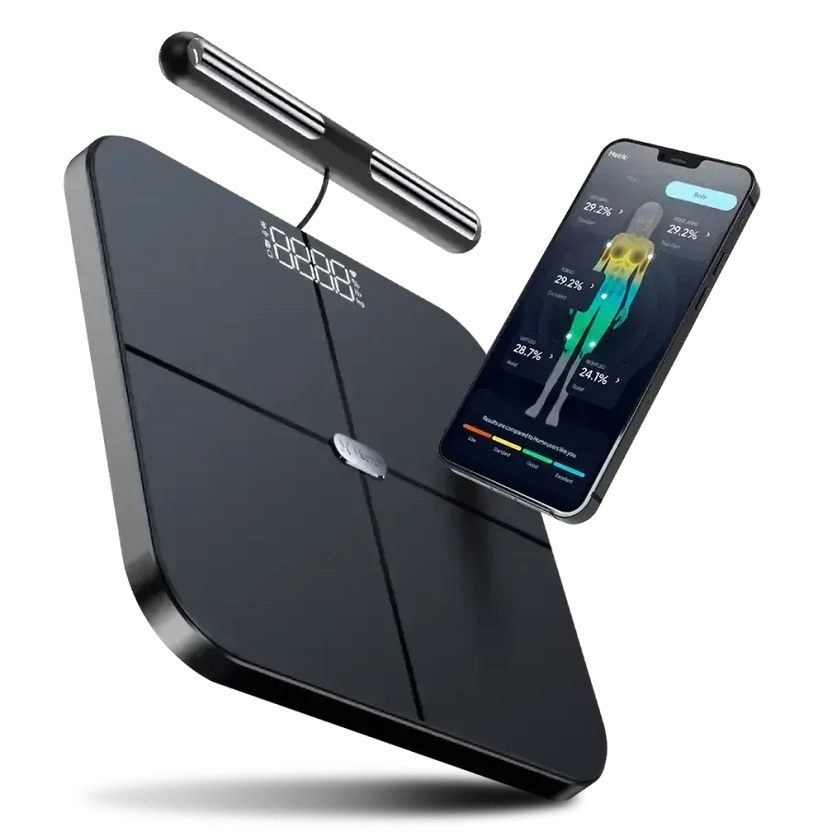
Measure what your recovery is actually doing
The Hume Health Body Pod is an at-home scanner that tracks body composition and metabolic rate, so you can see how your training, sleep, and recovery routine change lean mass and metabolism over time — data instead of guesswork.
Check out the Hume Body Pod →
Self-myofascial release between sessions
RAD's massage balls, rollers, and mobility tools hit the tight spots a massage gun cannot reach, an affordable daily-use addition to any recovery setup. Readers get 10% off their first order.
Get 10% off RAD →Cold plunge — best for soreness and resilience
Who it's for: athletes who want reliable soreness relief between hard efforts, and anyone chasing the mood and stress-resilience side of cold (Søberg 2021; Buijze 2016 found regular cold showers reduced self-reported sick days). The verdict: the most dependable soreness tool here — with the Roberts 2015 strength tradeoff to respect. Budget tiers: an inflatable tub plus bagged ice is the cheap on-ramp; a hardshell tub with a chiller is the no-hassle premium path. See our tested picks in best cold plunges and, if you want plug-and-chill, the best cold plunge chillers. Dial the dose in the cold plunge calculator and the full kit in our cold plunge equipment guide.
Sauna — best for heat adaptation and longevity signals
Who it's for: runners and endurance athletes (Scoon 2007 found post-run sauna improved time-to-exhaustion ~32% via heat acclimation), plus anyone after relaxation, sleep, and the cardiovascular-style response heat produces (Laukkanen 2015/2017 associate frequent sauna use with better cardiovascular outcomes; Tei 2016 examined heat therapy and cardiovascular function — association, not proof of causation). The verdict: the best single buy if you want benefits beyond just feeling less sore. Budget tiers: a sauna blanket is the apartment-friendly entry; an infrared or traditional cabin is the commitment. See best home saunas and best sauna blankets.
Red light panel — best low-risk add-on (dose decides everything)
Who it's for: people who've covered the basics and want an anti-inflammatory, recovery-marker add-on (Hamblin 2017 mechanism; Leal-Junior 2015 recovery and performance). The verdict: real mechanism, modest and dose-dependent results — the one category where buying cheap usually buys nothing, because under-powered panels never reach an effective J/cm² (Zein 2018). Budget tiers: skip ultra-cheap bulbs entirely; pay for published, measured irradiance. Our picks with real numbers are in best red light panels; confirm a panel can hit your dose with the red light dose calculator, and read red light therapy for pain for the joint-and-muscle case.
Massage gun — best first purchase for most people
Who it's for: basically everyone — cheapest entry, no plumbing, daily-usable. The verdict: percussion acutely improves range of motion without sacrificing strength (Konrad 2020); great for mobility and loosening stiff, sore areas, not a metabolite "flush." Budget tiers: a solid mid-range gun beats most premium ones on value; spend up only for battery life, quietness, and amplitude. See best massage guns, are massage guns worth it, and foam rolling vs massage gun if you're deciding between the two.
Sauna blanket — best small-space heat option
Who it's for: renters and travelers who want sauna-style heat without a cabin or a renovation. The verdict: a legitimate way to get the relaxation and sweat response in a closet-sized footprint; it won't fully replicate a hot cabin's intensity, but it's the most practical heat tool for tight spaces. Budget tiers: mid-range models with even heat and a washable insert are the sweet spot. See best sauna blankets. Want to feel cold and heat together first? Run the math in the contrast therapy calculator before committing to two big machines, and compare the broader soreness plan in how to reduce muscle soreness. Runners can map all of this onto training load at RunBikeCalc.
Frequently asked questions
What is the single best recovery tool to buy first?
For most people: a massage gun. It is the cheapest entry point, restores range of motion acutely (Konrad 2020), and earns daily use without a plumbing project. If your goal is soreness relief between hard efforts, a cold plunge earns its keep next. Sauna is the best pick if you also want cardiovascular and heat-acclimation benefits, and red light is a low-risk add-on once the basics are covered.
Do I really need a cold plunge AND a sauna?
No. They overlap less than you think but few people need both at once. Cold blunts soreness (mind the Roberts 2015 timing tradeoff for strength athletes); heat drives a cardiovascular and relaxation response and, for runners, real heat-acclimation gains (Scoon 2007). Pick the one that matches your goal first. Contrast therapy — alternating both — is a separate protocol you can run cheaply before committing to two big machines.
Are budget recovery tools worth it or a waste?
It depends on the category. A budget massage gun or an inflatable cold tub with bagged ice gets you 90% of the benefit cheaply. Red light is the category where cheap usually means under-dosed and useless — irradiance specs decide everything (Zein 2018). Saunas and chillers reward spending more for reliability and capacity. Match the spend to where it actually changes the result.