How we chose
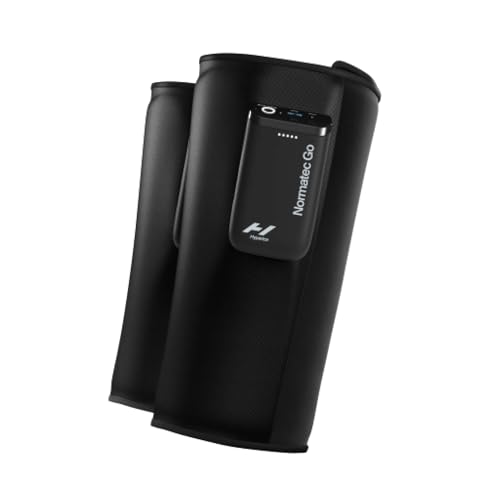
We have not tested these units in person. These picks come from comparing
published manufacturer specs (number of zones, pressure range, sequence type, battery), the
clinical literature on intermittent pneumatic compression, verified-owner reviews, and
category reputation. We flag where a product is a true sequential recovery system versus a
simpler leg massager, and we never claim hands-on lab results we did not run.
Our Normatec 3 Legs review and Air Relax AR-2 review cover sizing, contraindications and what the compression evidence actually supports.
What the evidence actually says
Intermittent pneumatic compression has reasonable support for reducing perceived
muscle soreness and the subjective heaviness in your legs the day after hard
training. Objective markers (power output, sprint times, blood-marker clearance) show
smaller and less consistent effects. So the honest framing: compression boots make tired
legs feel better, which is a real and useful product, especially in a heavy
training block. Pair them with the work that has stronger evidence, like
heat and cold exposure.
The specs that matter
- Sequential vs. simultaneous: sequential systems inflate chambers in a foot-to-hip wave, which mimics how the body moves fluid. Cheaper massagers inflate zones more simply.
- Zones: more overlapping chambers (the premium units use seven) give a smoother, more continuous squeeze.
- Pressure range: look for adjustable pressure up to roughly 200+ mmHg so you can start gentle and build.
- Cordless vs. tethered: a wireless or untethered control unit lets you recline and relax while it runs.
How to use them
Run a 20 to 30 minute cycle after training or in the evening, at a pressure that is firm but
never painful. Daily use is fine; longer sessions are not better. They are most useful
during high-volume blocks and in the 24 hours after a long run or race.
Not medical advice. This is researched general information, not professional
or medical guidance. Do not use compression boots if you have a history of blood clots (DVT),
peripheral artery disease, an active leg infection, or open wounds, and talk to a doctor first
if you are pregnant or have a circulatory or cardiovascular condition. Use at your own risk.
Related guides